

Artificial Intelligence and Banking
Artificial intelligence is often presented as an objective tool for decision-making, but recent research suggests that AI may replicate the same racial biases already present in the banking industry. As lenders adopt these technologies, questions about fairness, transparency, and accountability are becoming more important than ever.

Interview with Jon Mulkin
In this interview, Hope Credit Union Chief Mortgage Officer Jon Mulkin reflects on four decades in mortgage lending, from leading home loan operations at Morgan Stanley to helping first-time homebuyers build wealth through Hope’s mission-driven approach. He shares insights on affordable housing, community development, racial equity, and the future of mortgage lending in underserved communities.
The Big Short’s Lessons in Bad Banking
The Big Short turns one of the most complex financial disasters in modern history into an engaging story about the people who saw the housing market collapse coming. Beyond the entertainment, the film offers an important warning about the dangers of unchecked greed, weak regulation, and banking practices that put profits ahead of people.
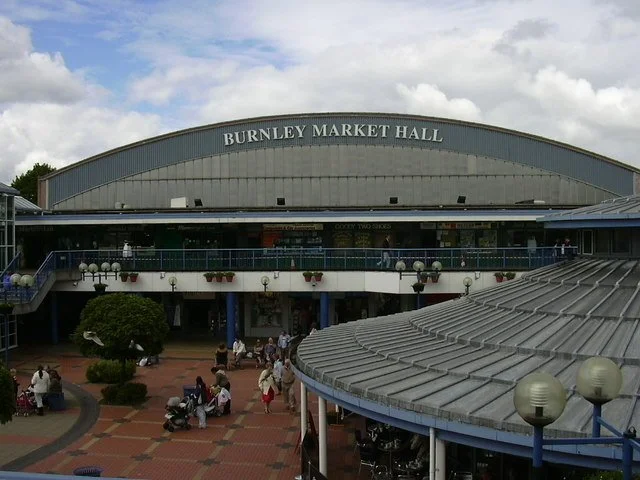
Bank of Dave’s Lessons on Community Banking
The 2023 Netflix film Bank of Dave tells the inspiring story of a businessman determined to create a community bank that serves local people rather than distant shareholders. While the movie takes creative liberties, its central lesson rings true: when capital stays local, communities thrive. Here’s what Bank of Dave can teach us about the power of community banking.

City Survey: Greater Los Angeles
Greater Los Angeles is one of the most diverse and economically unequal regions in the country. Fortunately, it is also home to a wide range of community banks and credit unions committed to expanding access to capital through affordable housing, small business lending, and community development. Explore some of the best Better Banking Options serving Los Angeles and Orange County.

Disinvesting From War in the Middle East
Many people are asking how their financial decisions connect to global conflicts and military funding. While banking transparency remains limited, moving deposits from large multinational banks to local community institutions can be a meaningful way to align your finances with values of peace, accountability, and community development.
Saving the Planet With Your Savings Account
Most people think about reducing their carbon footprint through daily habits, but your bank account may have an even bigger impact. This review of Project Drawdown’s climate-responsible banking report explores how moving your savings from fossil-fuel-financing mega banks to mission-driven community banks and credit unions can help reduce emissions and support a more sustainable future.

City Survey: Philadelphia
Philadelphia is home to an impressive collection of community banks, credit unions, and mission-driven financial institutions that have survived for generations. From Black-owned banks and immigrant-focused lenders to local savings banks with deep neighborhood roots, these Better Banking Options help keep deposits working in Philadelphia communities.
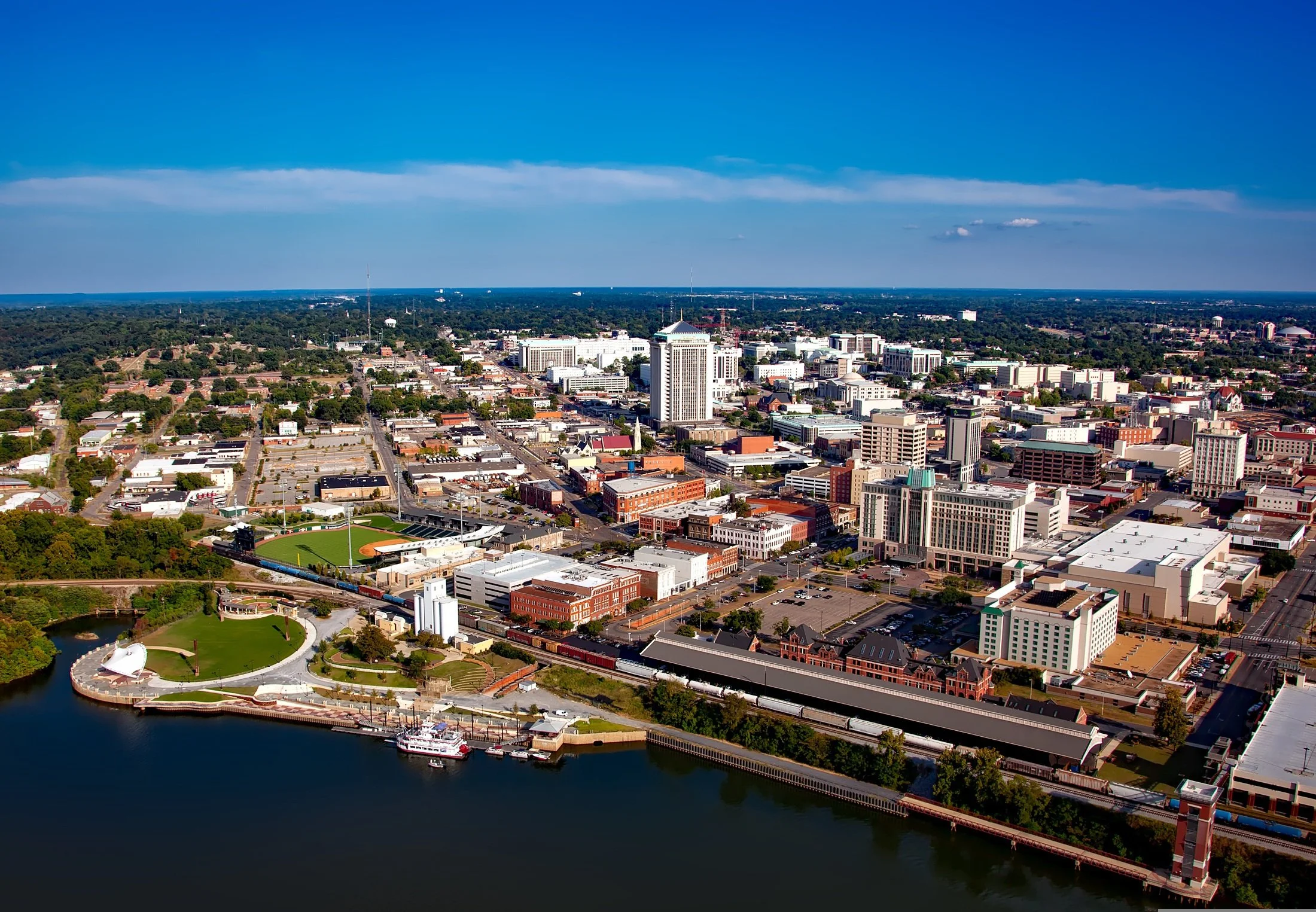
City Survey: Montgomery, Alabama
Montgomery is a city shaped by a rich history, strong community ties, and ongoing efforts to address economic inequality. These Better Banking Options—from Hope Credit Union to local CDFIs and minority-owned institutions—are helping provide access to capital, support underserved communities, and strengthen Montgomery’s local economy.
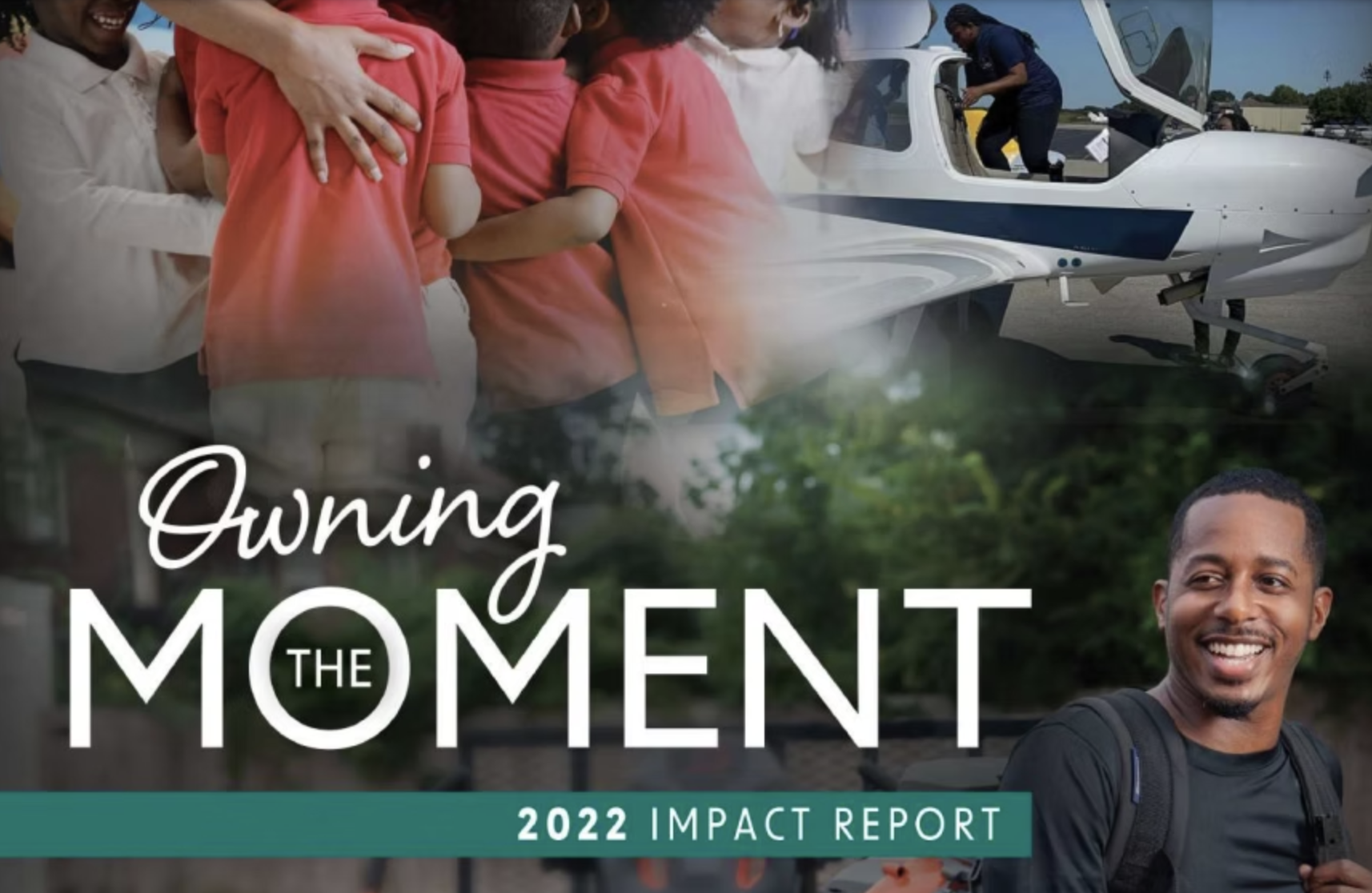
Our Response to Hope's 2022 Impact Report
Hope Credit Union’s 2022 Impact Report demonstrates what mission-driven banking can accomplish when lending is focused on people traditionally excluded from financial opportunity. From first-time homebuyers to Black-owned businesses, Hope continues to invest in communities overlooked by conventional lenders.
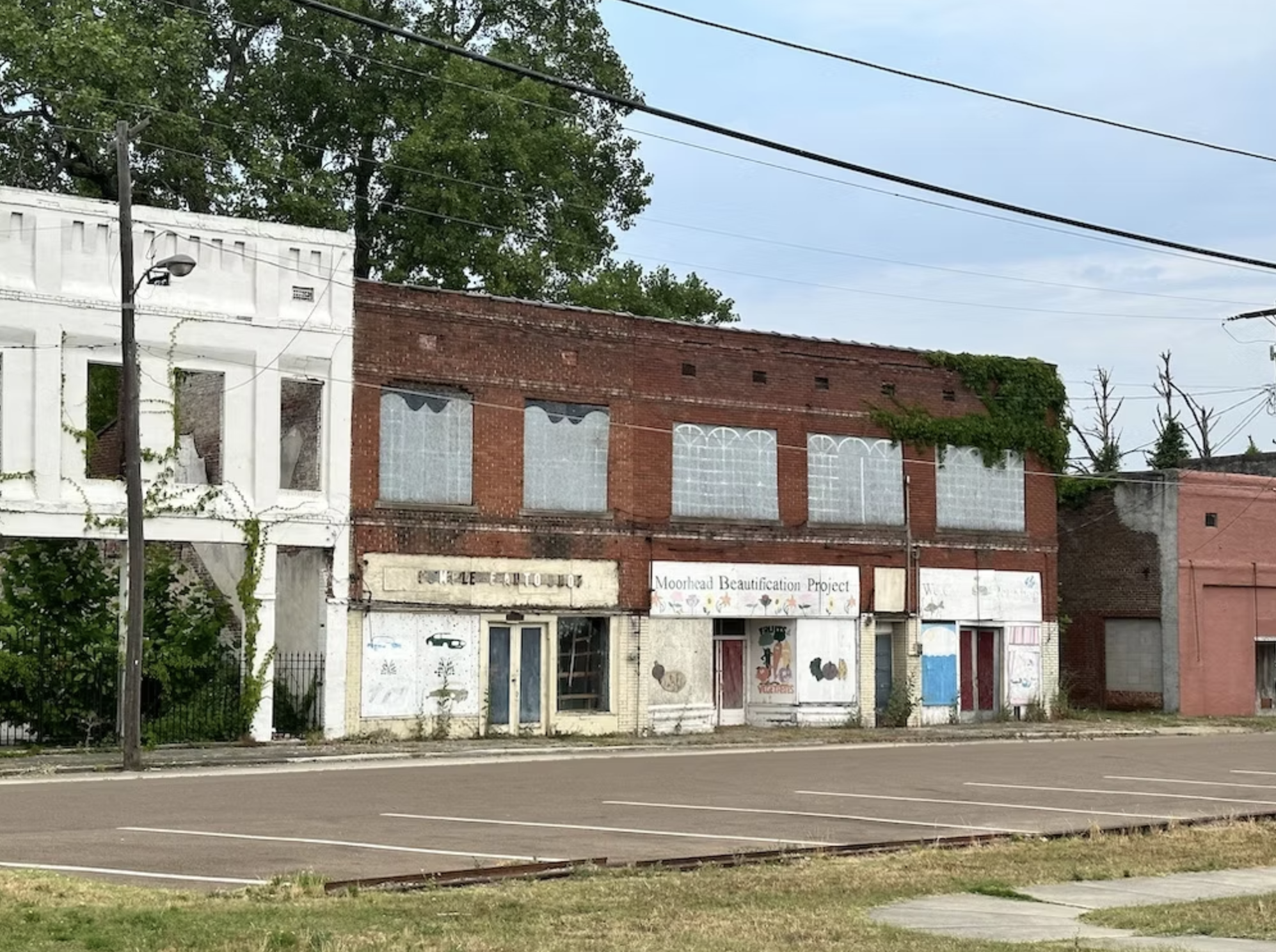
A Reflection On Our Trip with Hope Credit Union
What does community banking look like in practice? On a trip through the Deep South with Hope Credit Union, we met civil rights leaders, visited community development projects, and saw firsthand how mission-driven lending can help create economic opportunity in communities affected by generations of discrimination and disinvestment.

City Survey: San Francisco, San Jose and Oakland (Bay Area)
The Bay Area is home to some of the most innovative and mission-driven financial institutions in the country. Whether you’re looking to support immigrant communities, affordable housing, small businesses, or environmentally responsible lending, these Better Banking Options in San Francisco, San Jose, and Oakland offer a meaningful alternative to the mega banks.
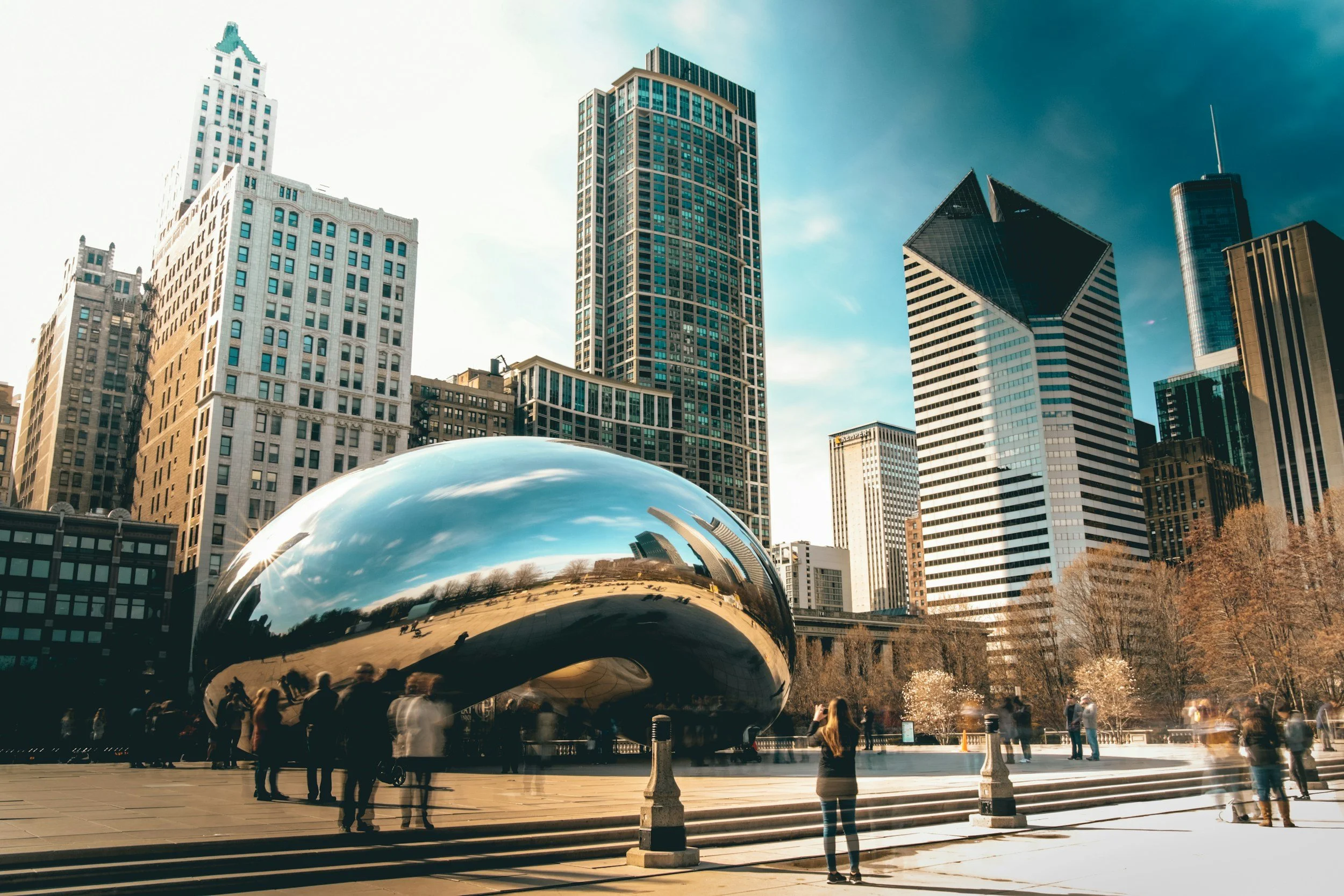
City Survey: Chicago
Chicago’s banking landscape reflects both the city’s diversity and its history of segregation. From Black-owned banks on the South Side to community-focused institutions serving immigrant neighborhoods, these Better Banking Options are helping expand access to housing, small business lending, and community development throughout the city.
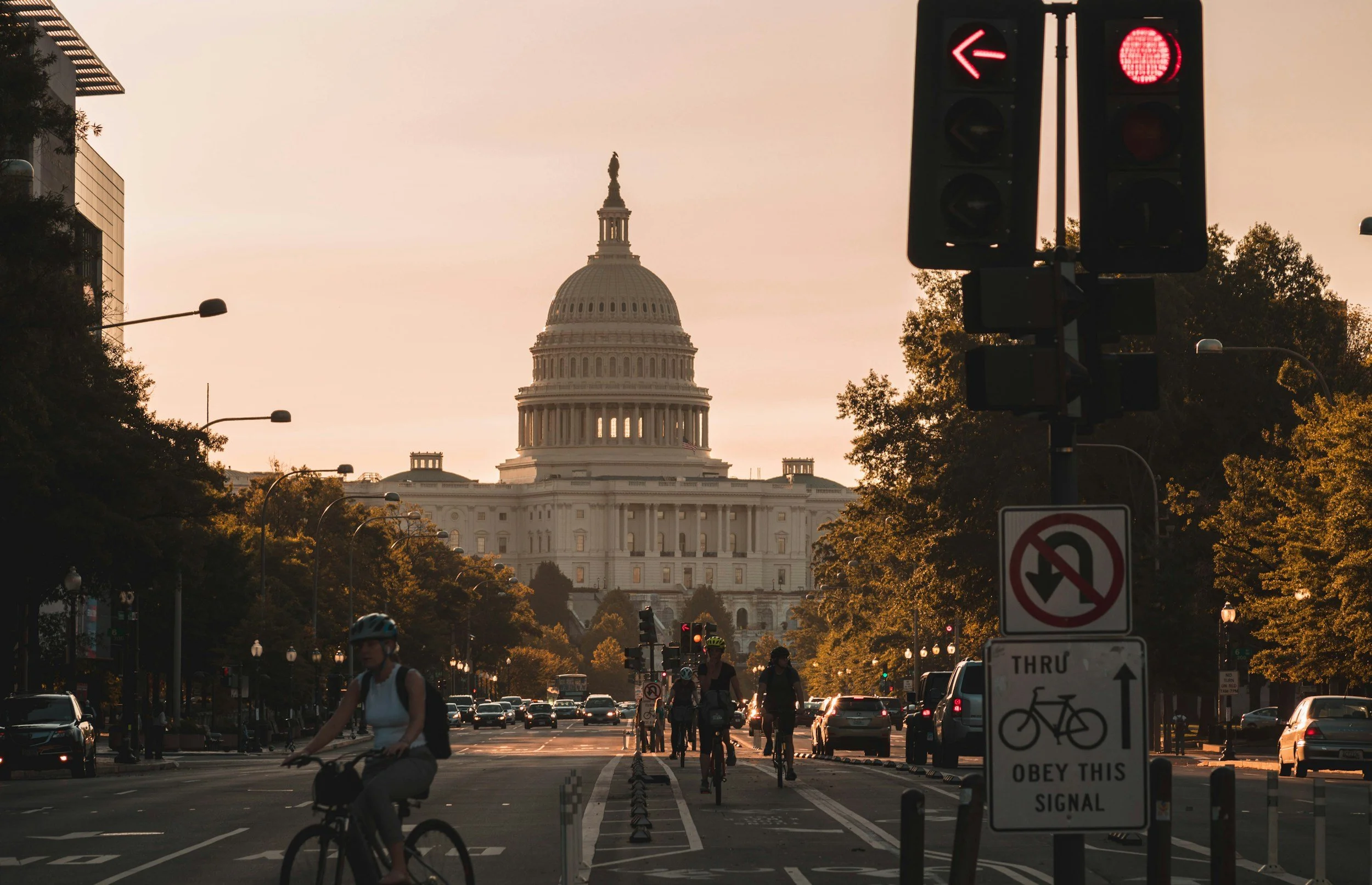
City Survey: Washington, DC
Washington, DC, has a surprisingly rich landscape of Better Banking Options, from Black-owned banks and immigrant-focused credit unions to cooperative lenders and community development institutions. This city survey highlights mission-driven banks and credit unions helping strengthen neighborhoods across the nation’s capital.

What Is Ethical Banking? How Better Banking Supports Communities
Ethical banking is about more than avoiding mega banks—it’s about choosing financial institutions that use your deposits responsibly. From community lending to environmental sustainability and transparency, ethical banks and credit unions can help build a more equitable world while still meeting your everyday banking needs.

Mega Banks & Climate Change: How Your Deposits Fund Fossil Fuels
Mega banks have poured trillions into the fossil fuel industry, helping fund projects that contribute directly to climate change. While individual action alone can’t solve the climate crisis, moving your money away from banks financing fossil fuels is one meaningful way to pressure institutions and support a more sustainable economy.

Credit Unions vs. Banks: Are Credit Unions Always Better?
Are credit unions always better than banks? Not necessarily. While credit unions often offer lower fees and community-focused service, some banks make more impactful loans and provide broader accessibility. This guide breaks down the myths and truths of credit unions vs. banks and explains how to choose a Better Banking Option that aligns with your values and financial needs.

Latine Banks To Move Your Money To TODAY
Latine-majority banks play an essential role in providing banking services, lending, and financial access to communities that have historically been underserved by traditional institutions. Here are some of the best-known Latine-majority banks in the United States.

Open An Account At Hope Credit Union TODAY
Hope Credit Union is one of the nation’s leading Better Banking Options, using deposits to fund wealth-building loans in underserved Black communities across the Mid-South.

Truths and Myths of Online Banking
Online banking can offer convenience and lower fees, but not all online banks use your deposits in ways that strengthen communities. Here’s what you should know before choosing where to bank online.