

Why Transparency in Banking Matters for Community Development and Ethical Lending
Transparency in banking helps consumers understand how financial institutions use their deposits and whether banks are truly investing in underserved communities. As regulatory changes reduce reporting requirements for housing lending data, it becomes more difficult to evaluate which banks prioritize affordable housing, community development, and equitable lending practices.

What to Ask When Researching a Better Banking Option
Not all banks that market themselves as community-focused are equally effective at supporting local economies and underserved communities. This guide explains the key questions to ask when researching a bank or credit union, including how much they lend to small businesses and affordable housing, how transparent they are about their practices, and whether their leadership reflects the communities they serve.

How Mega Banks Create the Illusion of Effectiveness While Failing Communities
Mega banks often promote billion-dollar community development initiatives, but those numbers can be misleading when compared to the trillions of dollars they hold in assets. This article explains how to evaluate lending statistics using percentages rather than raw dollar amounts so you can better understand which banks are truly investing in low-income communities, affordable housing, and local economic development.

Updates & Announcements for Better Banking Options
Better Banking Options reflects on a year of researching community banks, credit unions, and ethical banking institutions across the country while outlining plans for the future. From developing a community banking search engine to expanding research into mission-driven financial institutions, the project continues working to make socially responsible banking more accessible and transparent.
Why Minority Depository Institutions (MDIs) Are Essential for Reducing the Racial Wealth Gap
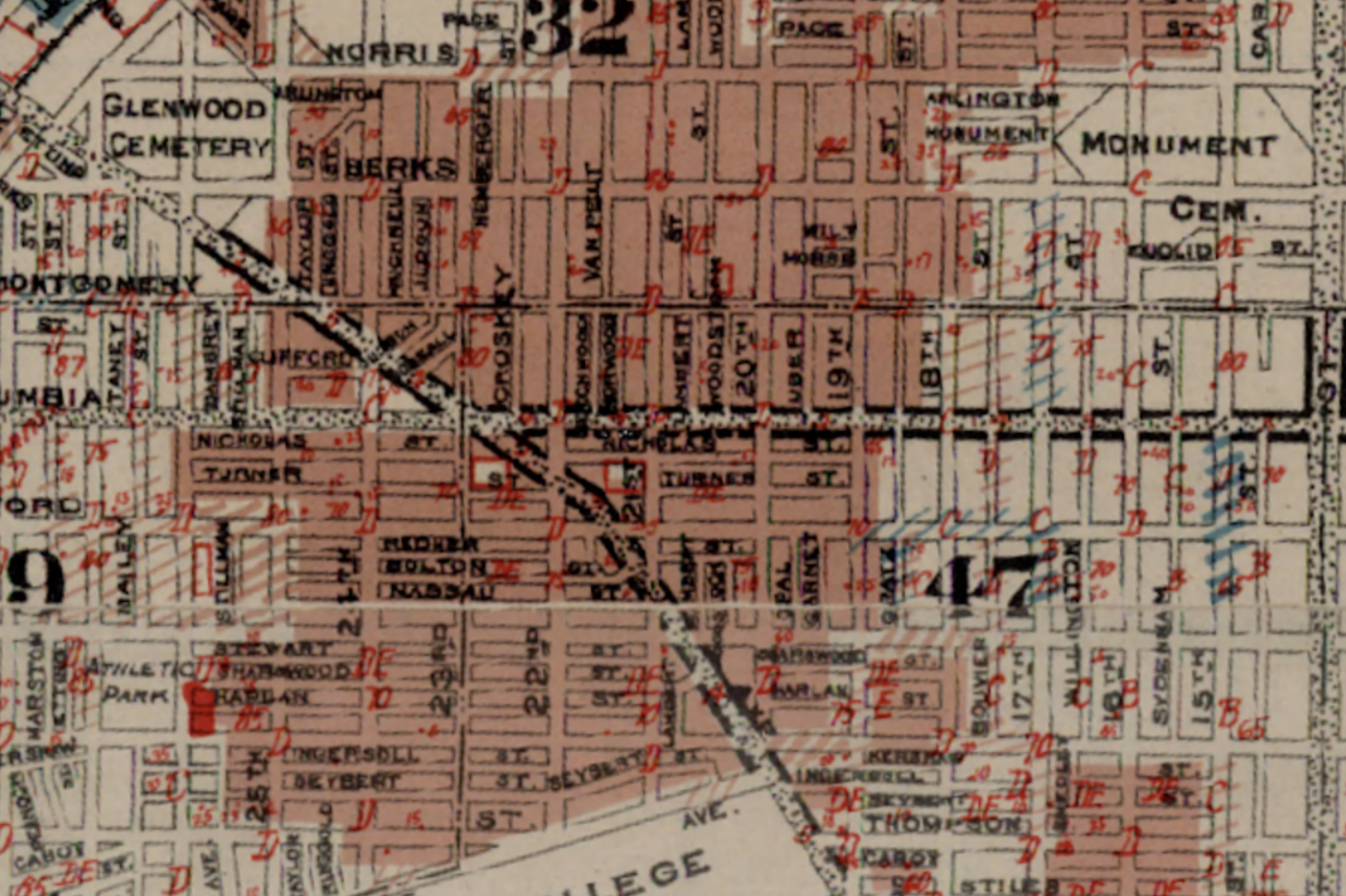
Minority Depository Institutions (MDIs) play a critical role in expanding financial access and economic opportunity in historically underserved communities. From combating the legacy of redlining to supporting Black, Latino, Asian American, and Native American communities through housing and small business lending, MDIs help direct capital into neighborhoods that traditional banking institutions have long neglected.

Banking Landscapes: The Micro and the Macro
As large banks absorb smaller ones, America’s financial landscape grows more consolidated—but not necessarily more equitable. From Charlotte to Appalachia, the future of community banking depends on protecting small local institutions that keep capital circulating close to home.

Why You Should Be Banking with Idaho First Bank
Idaho First Bank is a locally owned, community-focused bank in Boise investing in housing, small business lending, and local development. With a strong CRA rating and nearly all deposits reinvested locally, it’s a solid Better Banking Option for Idaho residents.

A Glossary of Banking Terms You Should Know
Confused by banking jargon? This glossary explains key terms like CDFI, CRA, and DLI-HMDA in plain language. Learn how community banks and credit unions use these concepts to build stronger, more inclusive local economies.

Why You Should Be Banking With Citizens Guaranty Bank
Citizens Guaranty Bank is a locally owned community bank in Eastern Kentucky dedicated to strong relationships, reliable lending, and financial education. With a focus on personal service and small-town values, it’s a trusted choice for Kentuckians who want their money to strengthen their own communities.

Better Banking Options’ Research & Selection Process
At Better Banking Options, we evaluate banks and credit unions using data-driven social-impact metrics—like DLI-HMDA, small-business lending, and CRA ratings—to find institutions that truly invest in low- and moderate-income communities.

Is Your Bank Lending in Low-Income Communities?
Your bank’s CRA rating reveals how much it reinvests in low-income communities. Learn what the Community Reinvestment Act is, how to find your bank’s rating, and why it matters for financial equity and community well-being.