
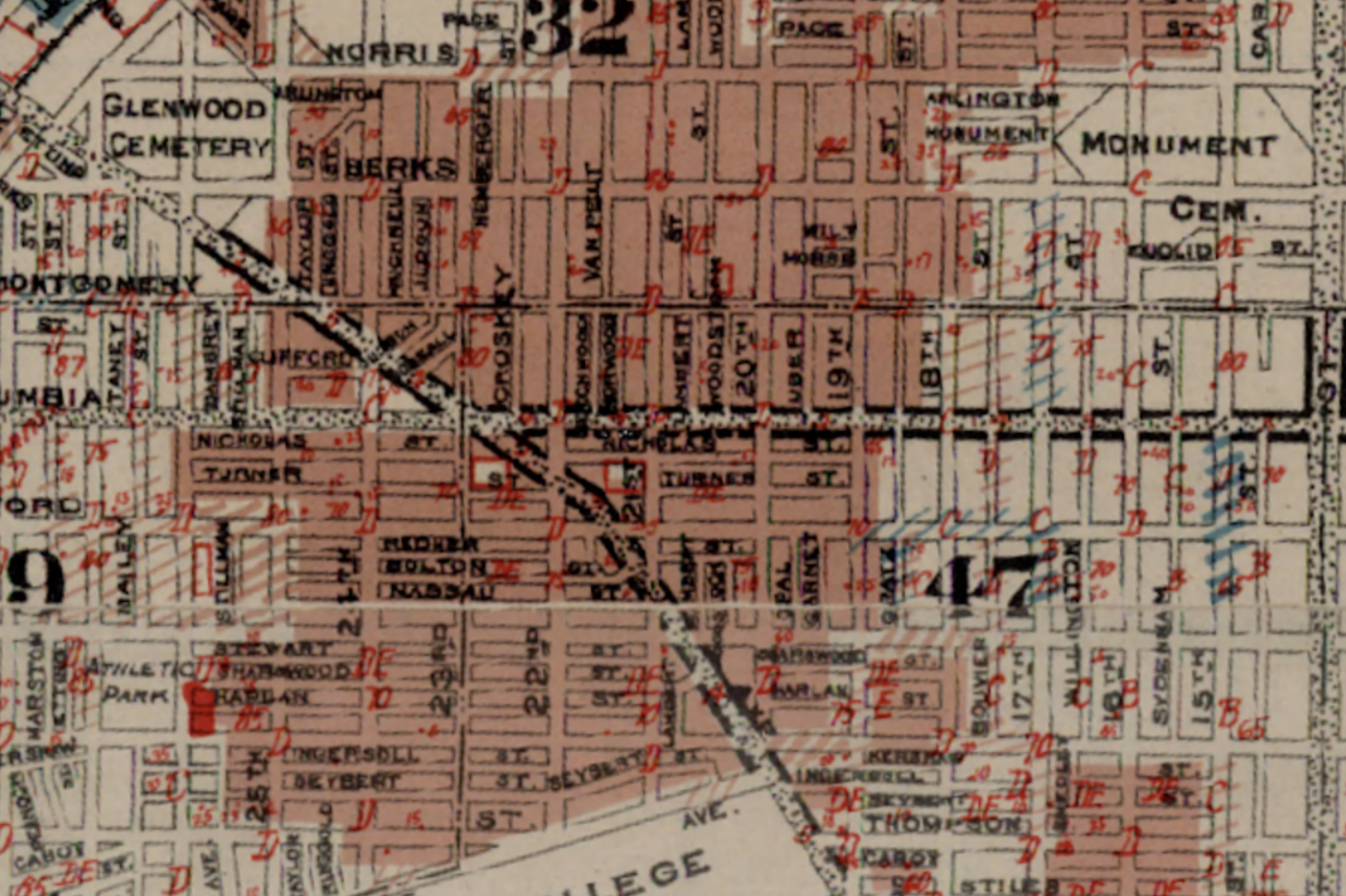
Why Minority Depository Institutions (MDIs) Are Essential for Reducing the Racial Wealth Gap
Minority Depository Institutions (MDIs) play a critical role in expanding financial access and economic opportunity in historically underserved communities. From combating the legacy of redlining to supporting Black, Latino, Asian American, and Native American communities through housing and small business lending, MDIs help direct capital into neighborhoods that traditional banking institutions have long neglected.
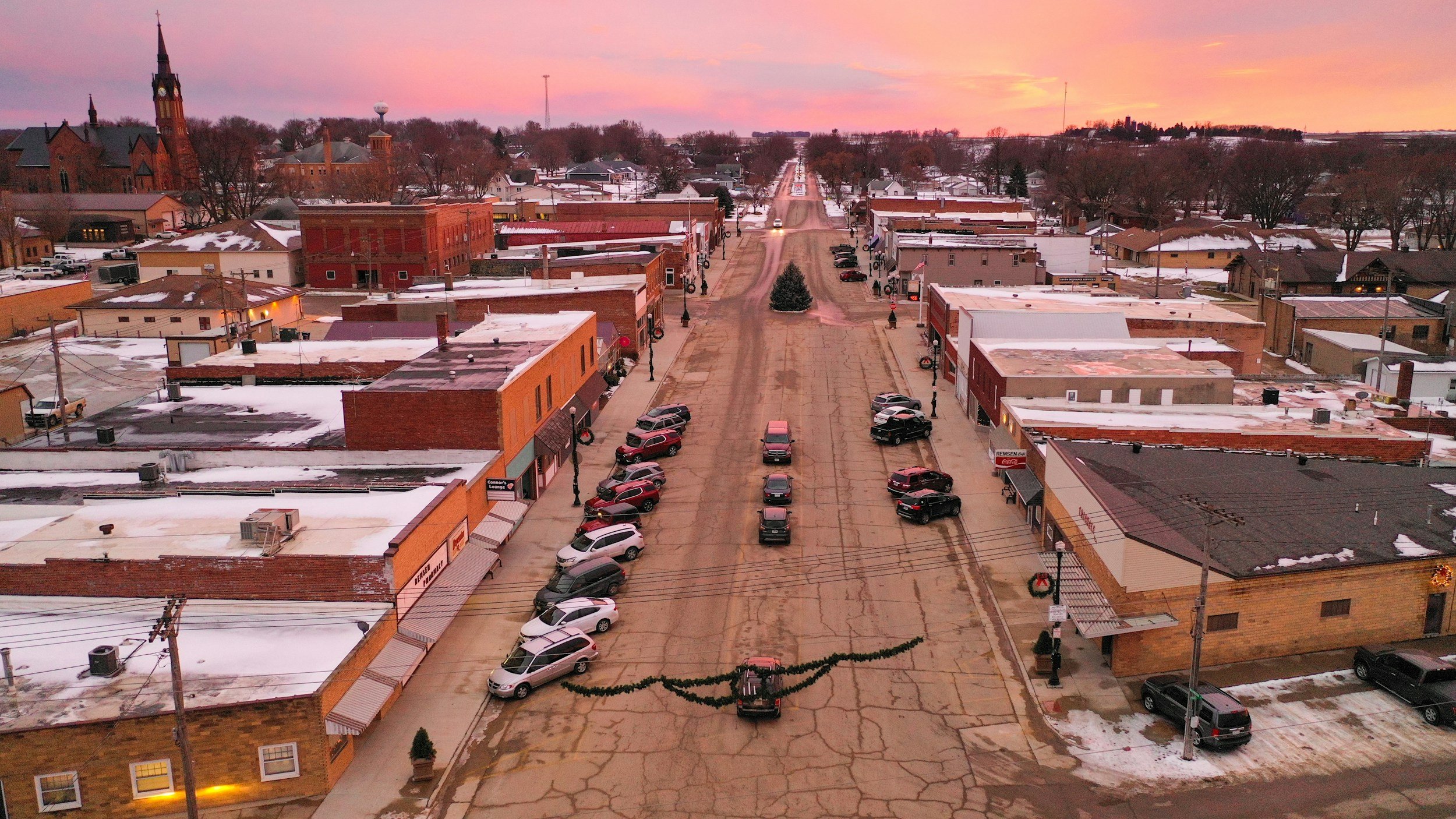
Why Small Community Banks Are Essential to Rural America’s Economic Health
Small community banks play a vital role in sustaining rural America by keeping local money invested in small businesses, housing, farms, and underserved communities. As large national banks continue pulling out of rural towns, community banking institutions remain essential to preserving economic opportunity, local investment, and long-term community stability.

How to Maintain a Long-Distance Relationship (With Your Bank)
You don’t have to live near a branch to bank with a mission-driven community bank or credit union. This guide explains how to manage long-distance banking using online and mobile banking tools, fee-free ATM networks, electronic transfers, and local backup accounts so you can support the communities and causes you care about from anywhere.

Banking Landscapes: The Micro and the Macro
As large banks absorb smaller ones, America’s financial landscape grows more consolidated—but not necessarily more equitable. From Charlotte to Appalachia, the future of community banking depends on protecting small local institutions that keep capital circulating close to home.
Why Local Banks Are (Almost) Always Better Than Mega Banks
Mega banks may offer convenience, but local banks and credit unions offer something far more valuable — community impact. By moving your money to a local Better Banking Option, you help fund affordable housing, small businesses, and stronger neighborhoods close to home.

A Glossary of Banking Terms You Should Know
Confused by banking jargon? This glossary explains key terms like CDFI, CRA, and DLI-HMDA in plain language. Learn how community banks and credit unions use these concepts to build stronger, more inclusive local economies.

Better Banking Options’ Research & Selection Process
At Better Banking Options, we evaluate banks and credit unions using data-driven social-impact metrics—like DLI-HMDA, small-business lending, and CRA ratings—to find institutions that truly invest in low- and moderate-income communities.

Credit Union Designations and What They Mean
Not all credit unions are created equal. Learn what the Low-Income (LICU), Community Development (CDCU), and CDFI designations mean—and how they signal a credit union’s real commitment to serving low- and moderate-income communities.
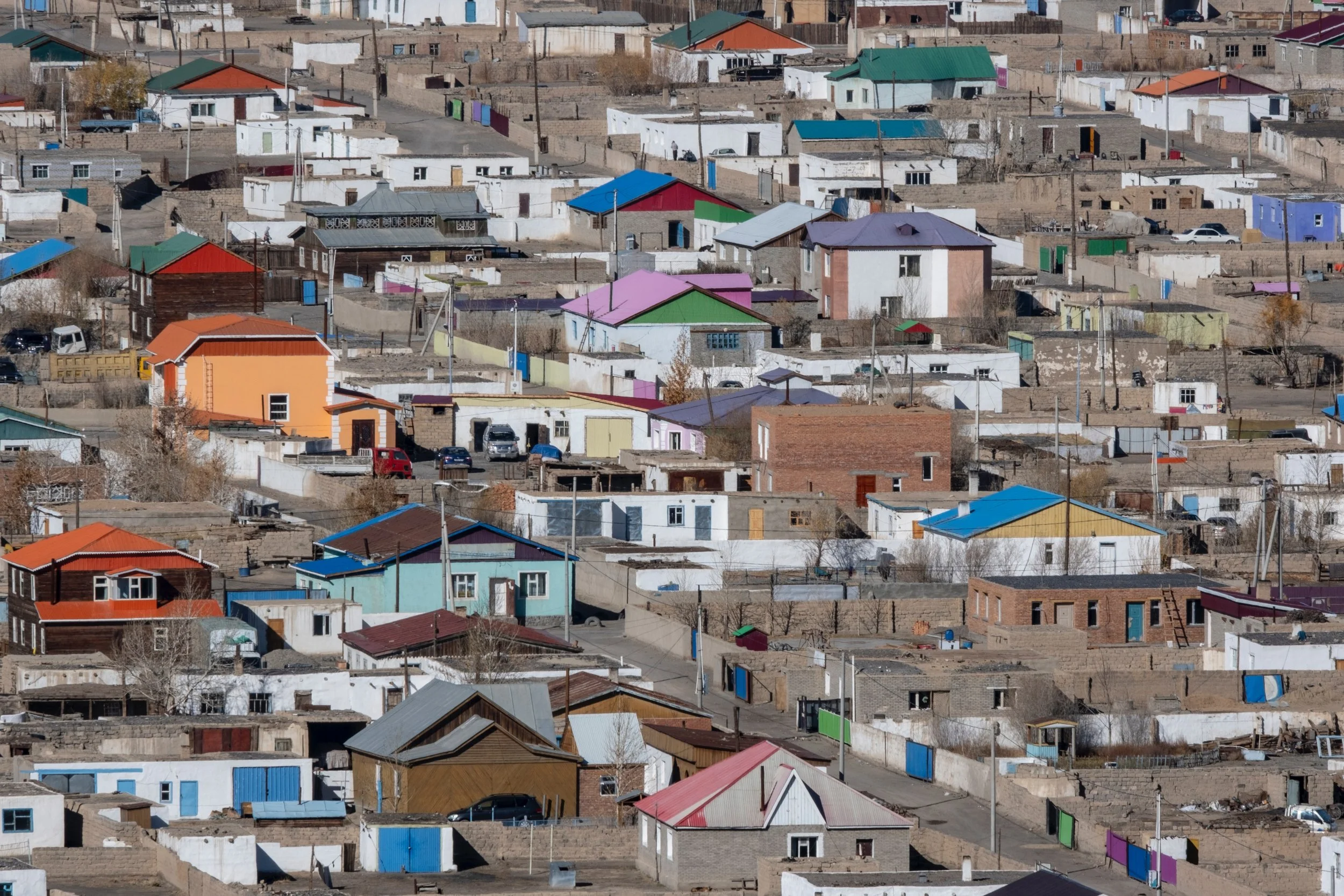
Is Your Bank Lending in Low-Income Communities?
Your bank’s CRA rating reveals how much it reinvests in low-income communities. Learn what the Community Reinvestment Act is, how to find your bank’s rating, and why it matters for financial equity and community well-being.

It's A Wonderful Life's Lessons in Community Banking
It’s A Wonderful Life reminds us why small community banks matter. By lending fairly and reinvesting locally, they give families dignity, hope, and a chance at a wonderful life—the true spirit of Christmas, and of better banking.

Small Farm Lending and Why It’s So Important
Small farm lending helps rural communities thrive by giving farmers access to fair, flexible credit. Supporting banks that invest in small farms means investing in local food systems, sustainability, and the future of American agriculture.

What Is a Community Development Financial Institution (CDFI)?
Community Development Financial Institutions (CDFIs) are mission-driven banks, credit unions, and loan funds that expand access to fair financial services in underserved communities. Supported by the CDFI Fund, these institutions invest in affordable housing, small businesses, and local economic growth—building wealth and opportunity where traditional banks often fall short.

How to Move Your Money to a Better Bank or Credit Union
Switching banks might seem like a small step—but it’s one of the most powerful ways to align your money with your values and support the communities that need it most.

How to Spot a Better Bank by Reading Its Website
You can learn a surprising amount about a bank just by spending 10–15 minutes on its website—if you know what to look for. From board diversity to mission statements and community designations, these clues can help you spot a truly community-centered institution.

Better Banking Options — Find a Bank That Invests in Your Community
Where we bank is one of the most direct and simple ways we can use our money to help those who need it—without even needing to give it away.