

Why You Should Be Banking With Beneficial State Bank
Beneficial State Bank is a West Coast CDFI blending social justice, environmental sustainability, and transparency. With nearly half its loans in affordable housing and strong small-business lending, it proves that mission-driven banking can make a measurable difference.

Why You Should Be Banking With Appalachian Community Federal Credit Union
Appalachian Community Federal Credit Union is a CDFI and CDCU serving low-income communities across Kentucky, Tennessee, and Virginia. With free financial education and small-business lending, ACFCU empowers Appalachian families to build financial stability where it’s needed most.

Better Banking Options’ Research & Selection Process
At Better Banking Options, we evaluate banks and credit unions using data-driven social-impact metrics—like DLI-HMDA, small-business lending, and CRA ratings—to find institutions that truly invest in low- and moderate-income communities.
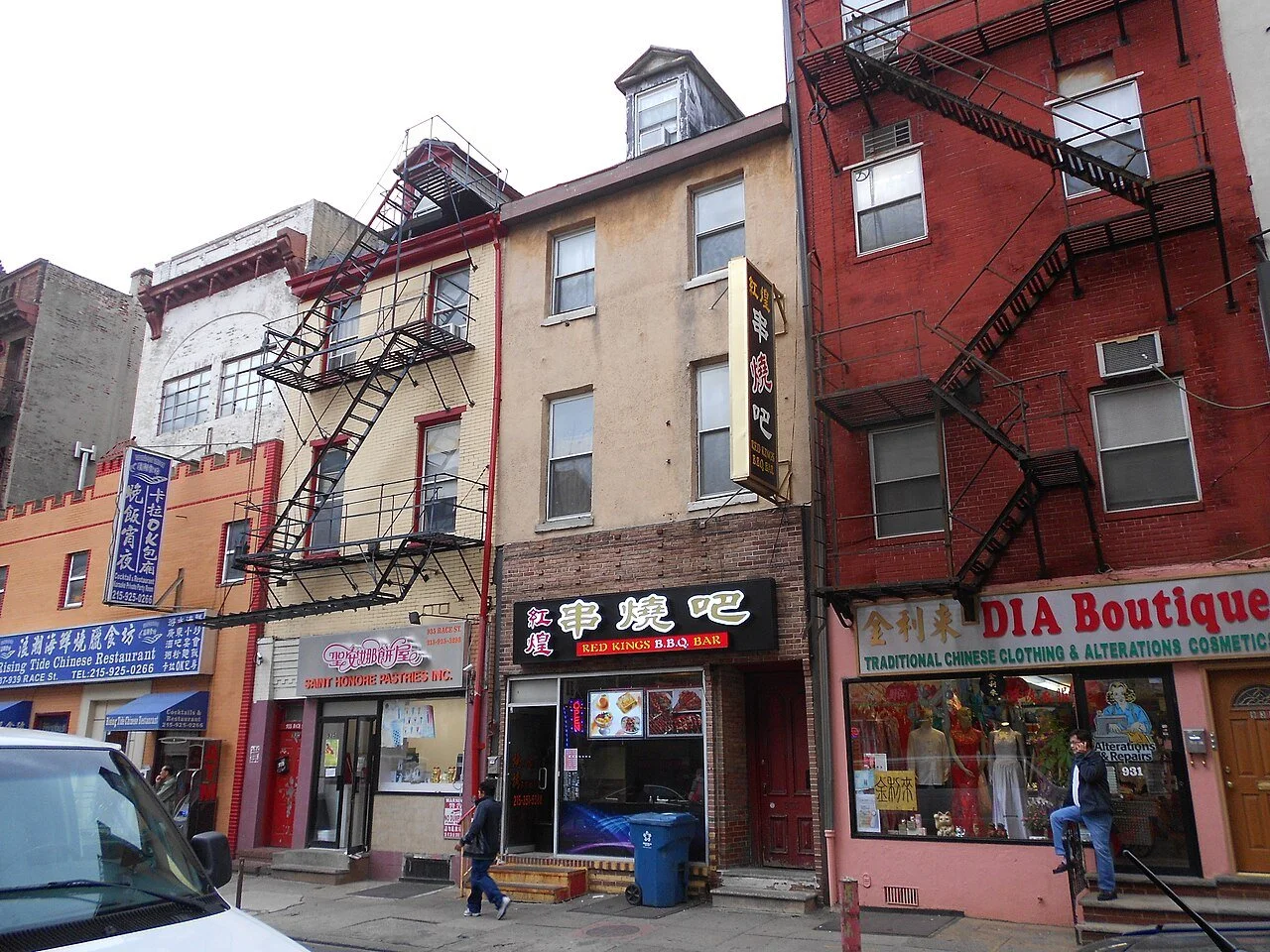
Why You Should Be Banking With Asian Bank
Asian Bank, a Minority Depository Institution in Philadelphia’s Chinatown, provides small-business and housing loans to immigrant families and non-English-speaking communities—proving that inclusive, community-driven banking still thrives.

Why You Should Be Banking With Citizens Trust Bank
Citizens Trust Bank, founded in 1921 in Atlanta, is one of the nation’s oldest Black-owned banks. With branches across Georgia and Alabama, it empowers Black families through affordable housing loans, small business lending, and a century-long commitment to financial justice.

Why You Should Be Banking With Bank of South Texas
Bank of South Texas is a Minority Depository Institution and CDFI dedicated to serving Hispanic communities in the Rio Grande Valley. With strong lending to low-income homeowners and small businesses, it embodies what values-based community banking should look like.

Credit Union Designations and What They Mean
Not all credit unions are created equal. Learn what the Low-Income (LICU), Community Development (CDCU), and CDFI designations mean—and how they signal a credit union’s real commitment to serving low- and moderate-income communities.

Why You Should Be Banking With DC Credit Union
DC Credit Union is a CDFI and Community Development Credit Union founded to serve government employees in 1954. Today it offers equitable lending, bilingual services, and compassionate community banking across Washington, DC — helping residents build financial stability and dignity.

Why You Should Be Banking With The Cooperative Bank
The Cooperative Bank has been serving Boston’s Roslindale, West Roxbury, and Charlestown neighborhoods for over 125 years. With a strong focus on affordable housing and small business lending, this cooperatively owned institution remains a trusted and community-driven Better Banking Option.

Why You Should Be Banking With Park Community Credit Union
Park Community Credit Union is a fee-free, community-oriented institution in Louisville and the Bluegrass Region. With 14 branches, transparent banking, and a growing commitment to community development through its partnership with LHOME, Park is on track to become Louisville’s next certified CDFI.

Is Your Bank Lending in Low-Income Communities?
Your bank’s CRA rating reveals how much it reinvests in low-income communities. Learn what the Community Reinvestment Act is, how to find your bank’s rating, and why it matters for financial equity and community well-being.

Why You Should Be Banking With Community Credit Union
Founded in 1955 by Greek-American business leaders, Community Credit Union serves Lynn and Greater Boston with fair lending, small business support, and community-focused banking for the city’s diverse and growing population.

Why You Should Be Banking With Everett Co-Operative Bank
Serving the greater Boston area since 1890, Everett Co-Operative Bank is a community-owned institution dedicated to housing, small business, and local economic growth. With a 125-year legacy and modern digital tools, it remains one of Massachusetts’s most trusted local banks.

Why You Should Be Banking With Industrial Bank
Industrial Bank is a century-old, Black-owned CDFI and MDI dedicated to expanding access to housing, business loans, and financial education in Washington, DC. Founded in 1934 and still family-owned today, it remains a powerful model of community banking and Black economic empowerment.

It's A Wonderful Life's Lessons in Community Banking
It’s A Wonderful Life reminds us why small community banks matter. By lending fairly and reinvesting locally, they give families dignity, hope, and a chance at a wonderful life—the true spirit of Christmas, and of better banking.

Why You Should Be Banking With Self-Help Credit Union
Self-Help Credit Union is a national CDFI and pioneer in community development banking, empowering underserved families through fair lending, financial education, and advocacy. From protecting borrowers against predatory lending to funding affordable housing and small businesses, Self-Help is redefining what ethical banking can look like.


Small Farm Lending and Why It’s So Important
Small farm lending helps rural communities thrive by giving farmers access to fair, flexible credit. Supporting banks that invest in small farms means investing in local food systems, sustainability, and the future of American agriculture.

Why You Should Be Banking With Native American Bank
Native American Bank is a Native-owned CDFI working to strengthen Tribal Nations by expanding access to capital, credit, and financial education. Founded to serve communities excluded from traditional banking, NAB invests directly in Indigenous businesses and local economies—building financial independence across Indian Country.

What Is a Community Development Financial Institution (CDFI)?
Community Development Financial Institutions (CDFIs) are mission-driven banks, credit unions, and loan funds that expand access to fair financial services in underserved communities. Supported by the CDFI Fund, these institutions invest in affordable housing, small businesses, and local economic growth—building wealth and opportunity where traditional banks often fall short.